Biophilic Design: The Soul of the Grain
In our increasingly digital world, the "great outdoors" is often something we view through a window or a screen. As we spend upwards of 90% of our time indoors, a disconnect from nature has emerged—one that architects and psychologists call "environmental poverty." Biophilic design is the intentional remedy to this gap, suggesting that humans possess an innate, genetic tendency to seek connections with nature and other forms of life.
While indoor plants and natural light are the usual suspects of biophilic design, the most foundational element often lies right beneath our feet: wood.
The "Wood-Stress" Connection
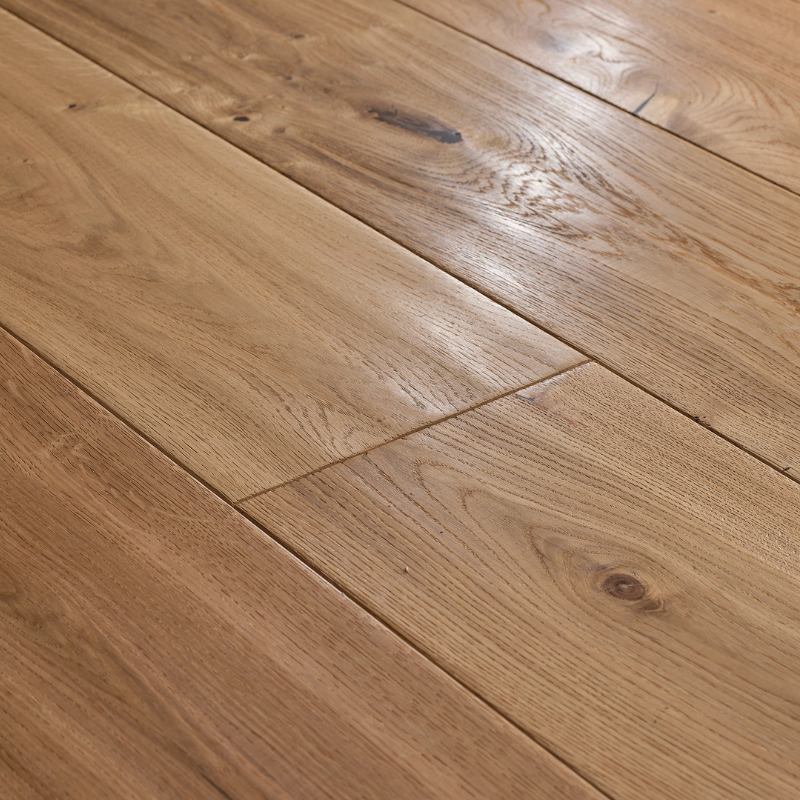
Unlike sterile synthetic materials, real wood grain possesses a quality known as 1/f fluctuations. This refers to patterns that are neither entirely random nor perfectly predictable - think of the way ripples move on a pond or how branches grow on a tree. When our eyes track the organic "knots and grains" of a floor, our brains recognise it as a natural fractal.
Studies in environmental psychology have shown that the presence of wood surfaces in a room can lower sympathetic nervous system (SNS) activation. This is the system responsible for our "fight or flight" response. A room anchored by the warmth of engineered oak doesn't just look cosy; it signals to our ancient biology that we are in a safe, organic environment.
Tactile Grounding and Emotional Warmth
Beyond the visual, there is the haptic experience - the sense of touch. Real wood has a unique thermal conductivity; it feels "warm" because it doesn't draw heat away from the body as quickly as stone or tile. For a homeowner, walking barefoot across a textured, wire-brushed grain provides a grounding sensation. This tactile feedback helps regulate mood and reduces feelings of anxiety, creating a "sanctuary" effect that synthetic laminates simply cannot replicate.

The Authenticity Factor
There is also a psychological benefit to authenticity. In an era of "fast furniture" and plastic imitations, there is a distinct mental satisfaction in knowing that the grain in your living room grew over decades. Each knot tells a story of a branch; each variation in grain is a record of a specific climate or soil. This connection to a larger timeline—the life of the tree—provides a sense of permanence and belonging.
Designing for the Mind
To fully harness these benefits with a Knot & Grain floor, consider the following:
-
Embrace the Character: Opt for a Rustic or Heritage plank where the grain is most visible. The knots and imperfections provide the most visual "stimuli" for stress reduction.
-
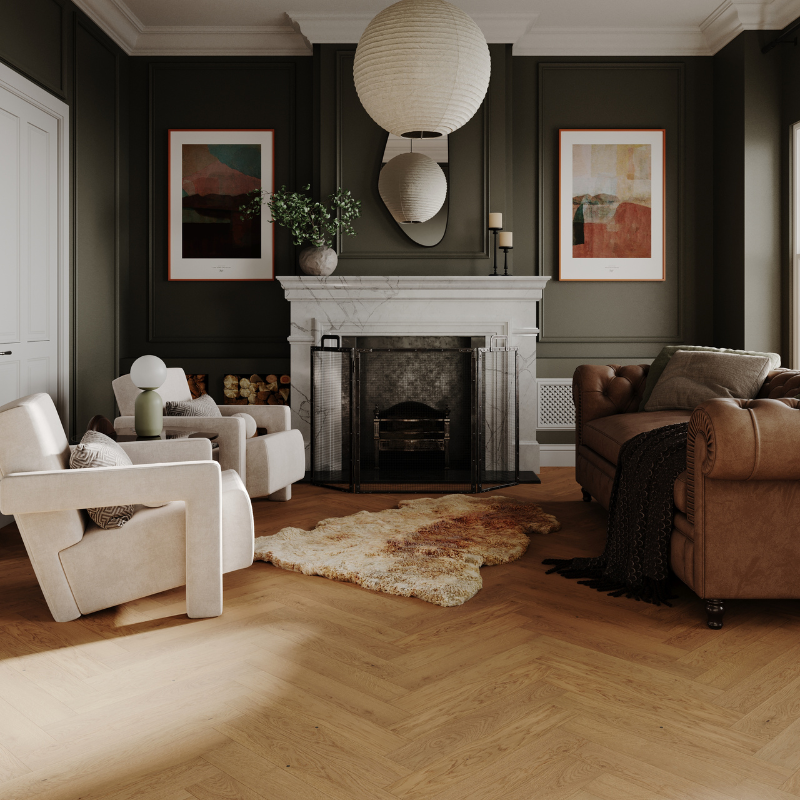
Balance the Light: Natural sunlight hitting a wood floor enhances the depth of the grain, making the biophilic connection even stronger.
-
Layer the Senses: Pair your wood floors with wool rugs, linen curtains, and clay pots to create a multi-sensory "natural" ecosystem.
By choosing engineered wood, you aren't just selecting a durable floor; you're choosing a biological reset button. Bringing the outdoors in through the medium of grain allows our homes to become more than just shelters—they become spaces for neurological healing and lasting peace.