Why Engineered Wood is the Ultimate Hardworking Living Room Floor
The living room is the undisputed heart of the home. It’s where the dog skids across the floor to greet you, where toddlers launch LEGO bricks like guided missiles, and where Friday night wine spills are practically a tradition. In the hierarchy of home design, we often obsess over the sofa or the lighting, but the real MVP is the floor.
At Knot & Grain, we believe a floor should do more than just look good—it should work as hard as you do. If you’re looking for a surface that balances "Architectural Digest" aesthetics with "real life" durability, engineered wood flooring is the undisputed champion.

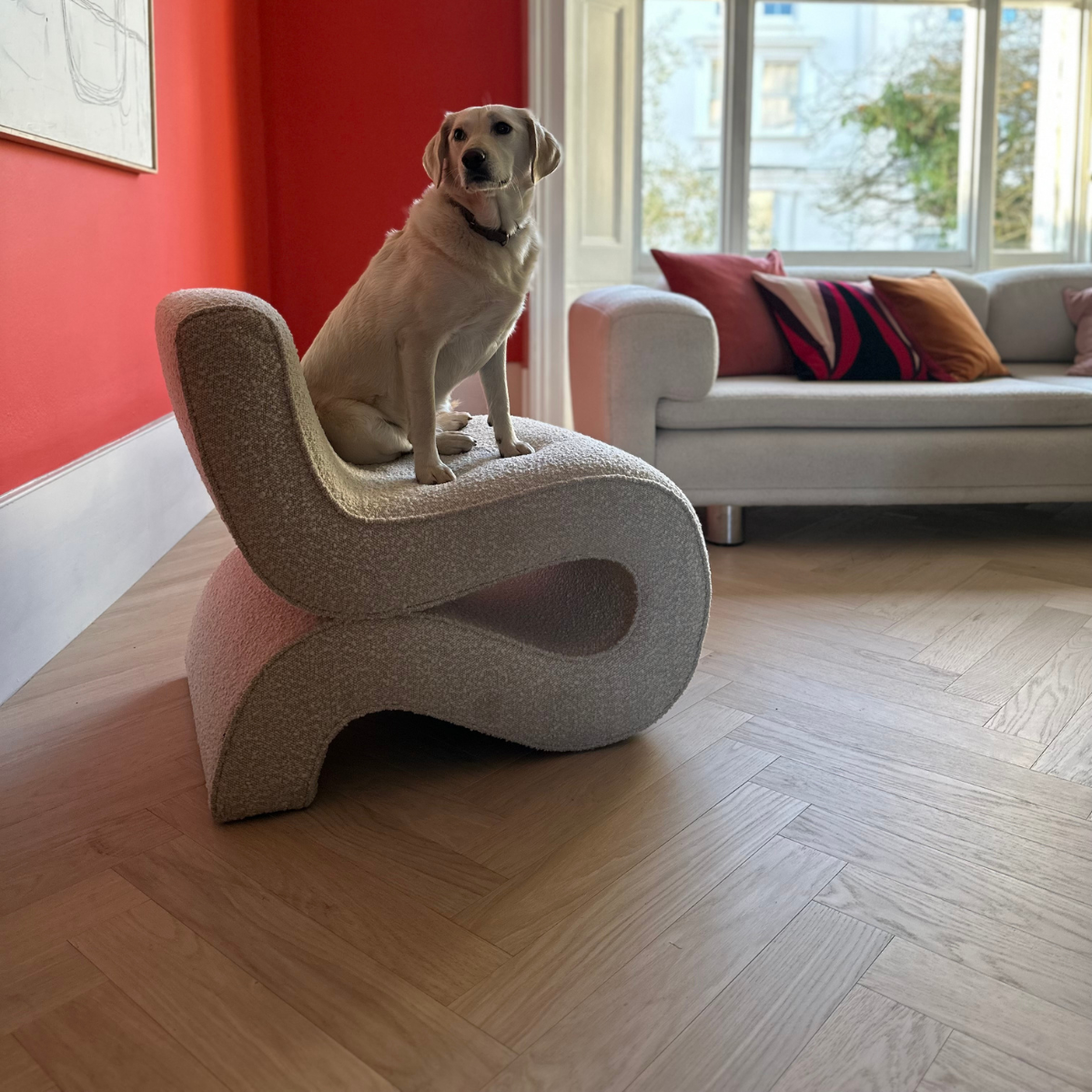
The Pristine Herringbone in Driftwood
Beauty That’s More Than Skin Deep
At first glance, engineered wood is indistinguishable from solid hardwood. That’s because the top layer is genuine premium timber (oak in the case of Knot & Grain floors). Whether you crave the honeyed tones of European Oak or the moody depths of American Walnut, you get the authentic grain, texture, and warmth that only real wood provides.
However, it’s what lies beneath the surface that makes it a "hardworking" floor. Unlike solid planks, engineered wood is constructed in layers (usually plywood) stacked in a cross-grain configuration.
This layering is all about dimensional stability. Because wood is a natural material that breathes, solid planks expand and contract with temperature shifts, which can lead to gaps or warping. Engineered wood’s cross-ply core counteracts this movement, making it much more stable and the ideal partner for underfloor heating - a luxury that makes those winter movie marathons much cosier.
Sustainability: How It Stacks Up
When evaluating the environmental footprint of your living room, engineered wood often emerges as the "Goldilocks" choice. It balances natural materials with modern efficiency, especially when compared to other popular options:
-
vs. Carpet: Carpet is frequently made from petroleum-based synthetic fibers that are difficult to recycle. It often ends up in a landfill after just a decade.
-
vs. Vinyl (LVT/LVP): While prized for being waterproof, vinyl is essentially a plastic product (PVC). It involves a chemical-intensive manufacturing process and lacks the biodegradable properties of wood.
-
The Engineered Edge: Engineered wood uses significantly less slow-growing hardwood than solid planks, stretching our natural resources further. When you consider a well-maintained floor can last 50 years—outliving four cycles of carpet—it’s the clear winner for a sustainable home.
The Durability Factor and Effortless Upkeep
A hardworking floor needs to take a beating and stay beautiful. Modern engineered floors are finished with high-performance UV oils or lacquers that act as a shield against daily wear and tear. If life gets a little too rowdy, high-quality engineered wood can even be sanded and refinished to look brand new.
Best of all, it doesn’t demand a high-maintenance lifestyle. Because the planks are factory-finished, they are naturally more resistant to staining than raw timber. For daily life, a simple microfiber sweep or a vacuum on the hard-floor setting is all it takes. When life’s inevitable spills happen—a muddy paw print or a dropped glass of juice—a damp (not soaking) mop with a pH-neutral cleaner is all you need.
Unlike carpets that trap allergens or tiles with grout lines that darken over time, engineered wood provides a hygienic, easy-to-wipe surface that actually saves you time on your weekend chores.
Summary
Your living room floor shouldn't be something you have to "protect" with a dozen rugs and a "no-fun" policy. By choosing engineered wood, you’re investing in a surface that handles the chaos of a busy household without sacrificing the timeless elegance of natural timber.